Dog Puppets: A Strategic Tool for Engagement, Education, and Creative Branding
In the landscape of modern engagement strategies, whether in educational settings, therapeutic environments, or brand marketing, the tools we choose define the quality of our interactions. Dog Puppets, specifically the vibrant collection designed by PappetDesign, represent more than mere novelty items. They are tangible assets that bridge the gap between static observation and active participation. By exploring the strategic application of these papercraft models, professionals and creators can unlock new avenues for communication, skill development, and audience connection.
The allure of the “Dog Puppets” design lies in its dual nature: it is both an artistic object and a functional instrument. Crafted from durable Encore Cardstock 80 lb cover, these puppets are engineered to withstand handling while maintaining aesthetic precision. For decision-makers looking to enhance user experience or educational outcomes, understanding the mechanics and potential of these tools is essential. This analysis explores how intentional use of Dog Puppets can support broader goals in creativity, learning, and operational engagement.
The Intersection of Precision and Playfulness
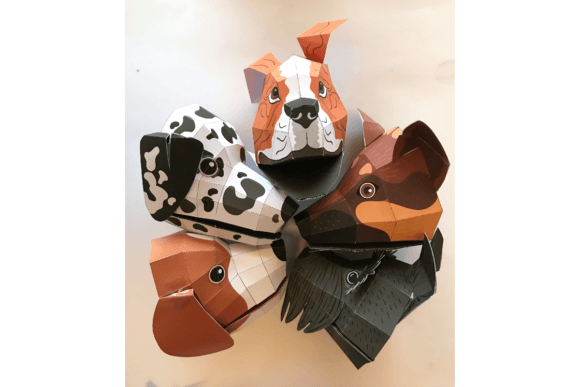
At first glance, a paper puppet may seem like a simple craft project. However, the PappetDesign collection demonstrates a sophisticated understanding of form and function. Each puppet captures the distinctive characteristics of various dog breeds, such as the Basset Hound and Dalmatian, with striking accuracy. The vibrant hues and detailed textural designs are not merely decorative; they serve as visual anchors that aid in recognition and emotional connection.
For educators and therapists, this level of detail is crucial. When introducing concepts of biology, empathy, or storytelling, accurate representations help ground abstract ideas in reality. The fine motor skills required to assemble these kits also play a significant role in cognitive development. The process of folding, tucking, and constructing transforms passive consumption into active creation. This shift is vital in any learning environment where retention and engagement are primary metrics of success.
From a branding perspective, the quality of materials matters. The use of 80 lb cover cardstock ensures that the final product feels substantial, not flimsy. This tactile quality reinforces the perceived value of the activity. Whether used in a corporate team-building workshop or a classroom setting, the durability of the material signals professionalism and care, reflecting positively on the organizer or institution providing the experience.
Strategic Applications in Education and Therapy
One of the most compelling use cases for Dog Puppets is in structured educational and therapeutic environments. Here, the puppet serves as a medium for expression, allowing individuals to communicate thoughts and feelings that might otherwise remain unspoken. The non-threatening nature of a dog character lowers psychological barriers, facilitating open dialogue.
- Enhancing Narrative Skills: In language arts or speech therapy, puppets provide a focal point for storytelling. Students can practice narrative structure, vocabulary, and voice modulation without the pressure of direct performance.
- Developing Fine Motor Control: The assembly process requires precision. Following pre-cut templates with fold and tuck lines helps young learners develop hand-eye coordination and spatial awareness, foundational skills for writing and other manual tasks.
- Facilitating Social-Emotional Learning: Role-playing with puppets allows children to explore social scenarios, empathy, and conflict resolution in a safe, controlled environment. The distinct personalities implied by different breeds can spark discussions about diversity and individual traits.
For educators planning curriculum integration, the key is intentionality. Rather than treating the craft as a standalone activity, it should be woven into broader learning objectives. For instance, a lesson on animal habitats can culminate in the creation of a specific breed puppet, linking biological facts with creative expression. This approach ensures that the time invested yields measurable educational outcomes.
Elevating Customer Experience and Brand Interaction
Beyond education, Dog Puppets offer unique opportunities for businesses aiming to differentiate their customer experience. In an era where digital interactions often lack warmth, physical, hands-on activities can create memorable brand touchpoints. Consider a pet supply store, a veterinary clinic, or a family-oriented café offering DIY puppet kits as part of their service model.
This strategy serves multiple purposes. First, it increases dwell time, giving customers more opportunity to engage with the brand environment. Second, it creates a shareable moment. Parents documenting their child’s crafting process on social media generates organic visibility for the business. Third, it positions the brand as community-focused and creative, enhancing loyalty.
However, successful implementation requires careful planning. The kits must be easy to follow, ensuring that frustration does not overshadow enjoyment. PappetDesign’s inclusion of clear instructions and pre-cut templates addresses this need, making the experience accessible to users of varying skill levels. For marketers, the takeaway is clear: provide tools that empower your audience to create, rather than just consume.
Risks of Unintentional Use
While the benefits are significant, relying on Dog Puppets without a clear strategic framework can lead to diminished returns. Common pitfalls include:
- Lack of Context: Distributing puppets without a guided activity or purpose can result in them being discarded or ignored. The value lies in the interaction, not just the object.
- Misaligned Audience: Assuming all age groups will engage similarly is a mistake. While children enjoy the play aspect, adults may appreciate the artistic craftsmanship and stress-relief benefits. Tailoring the messaging to the specific demographic is essential.
- Quality Compromise: Using inferior materials can undermine the experience. Flimsy paper tears easily, leading to frustration. Sticking to high-quality stock like Encore Cardstock ensures longevity and satisfaction.
To mitigate these risks, always define the desired outcome before introducing the tool. Are you aiming to teach a skill, foster community, or enhance brand perception? Let this goal dictate how you present and facilitate the use of the puppets.
Planning for Long-Term Value
Integrating Dog Puppets into your operations or offerings should be viewed as a long-term investment in engagement capital. Here are practical steps for effective implementation:
Assess Your Environment: Determine where hands-on activities fit best. Is it a waiting room, a classroom, or a retail counter? Ensure the space allows for messy or focused work as needed.
Train Facilitators: If staff are guiding the activity, they should understand the benefits and basic techniques. A knowledgeable guide can transform a simple craft into a meaningful interaction.
Gather Feedback: Monitor how users interact with the puppets. Are they engaging deeply? Are they asking questions? Use this data to refine your approach and maximize impact.
Scale Thoughtfully: Start with a small batch to test reception. Once you have validated the concept, consider expanding the range of breeds or integrating them into larger campaigns.
Conclusion: Intentionality Drives Results
The “Dog Puppets” collection by PappetDesign is a testament to the power of thoughtful design. By combining artistic precision with interactive potential, these papercraft models offer a versatile tool for professionals across various fields. Whether you are an educator seeking to enhance learning outcomes, a therapist aiming to facilitate communication, or a marketer looking to deepen customer connections, the strategic use of these puppets can yield significant benefits.
Success lies not in the puppet itself, but in how it is deployed. By aligning the activity with clear goals, ensuring high-quality materials, and fostering an environment of creativity and exploration, you can transform a simple paper craft into a powerful catalyst for engagement. In a world increasingly dominated by screens, the tactile, human-centered experience offered by Dog Puppets remains a valuable and distinct advantage.