Earring 3D Flower Embroidered: Elevating Digital Craft with Sublimation Precision
The intersection of traditional textile aesthetics and modern digital printing has created a unique niche for creators who value both texture and efficiency. Earring 3D Flower Embroidered designs represent more than just a visual trend; they signify a shift in how consumers perceive handmade quality in mass-produced or small-batch items. For entrepreneurs, hobbyists, and professional designers, the ability to replicate the intricate depth of embroidery through sublimation printing offers a compelling advantage. It allows for the creation of accessories that appear tactile and luxurious without the labor-intensive process of actual needlework.
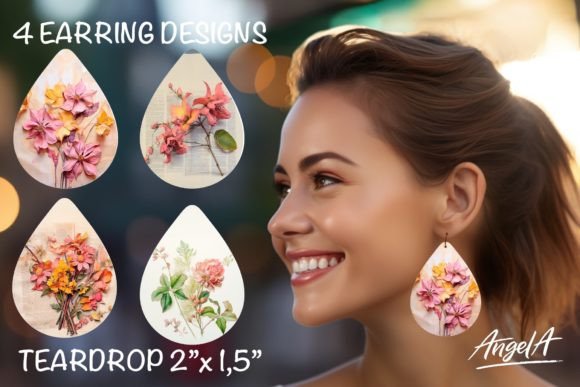
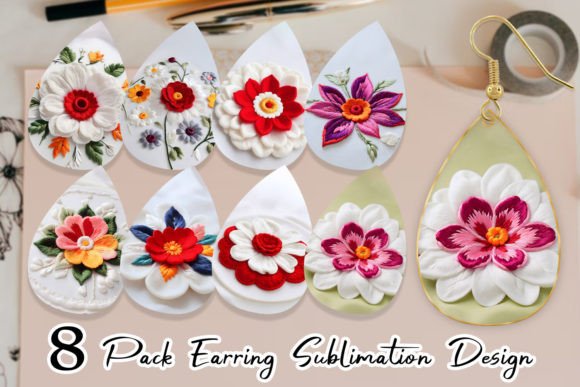
This evolution is particularly relevant in the current market, where customers seek personalized, high-quality goods that stand out against generic retail options. By leveraging digital assets such as the Teardrop earring sublimation design Bundle PNG, creators can bridge the gap between artisanal charm and scalable production. These digital tools are not merely images; they are foundational elements for building a brand identity that resonates with audiences looking for sophistication and detail.
The Appeal of Textural Illusion in Modern Accessories
In an era dominated by flat, minimalist digital interfaces, there is a growing consumer appetite for objects that suggest depth and complexity. The concept behind Earring 3D Flower Embroidered styles taps into this desire. When a customer sees an earring that mimics the raised threads and shadowed contours of embroidery, they associate it with care, tradition, and higher value. However, achieving this look through traditional methods is time-consuming and costly. Sublimation printing changes this dynamic entirely.
Sublimation allows ink to become part of the material rather than sitting on top of it. When applied to coated metals or specific polymers used in jewelry making, the result is a durable, vibrant image that resists scratching and fading. The key to success lies in the source file. Using high-resolution assets ensures that the fine details of the "embroidery" stitches are preserved. This is why files with specifications like 300 DPI are non-negotiable for professional results. A lower resolution would result in pixelation, breaking the illusion of texture and diminishing the perceived quality of the final product.
Integrating Digital Bundles into Creative Workflows
For many creators, the bottleneck in product development is not the idea, but the execution of the design asset. Creating realistic 3D embroidered effects from scratch requires advanced graphic design skills and significant time investment. This is where curated bundles, such as those containing 8 High Resolution PNG files, become invaluable resources. These pre-designed elements allow users to focus on customization and marketing rather than starting every project from a blank canvas.
The versatility of these files supports a wide range of creative applications. Because the backgrounds are often transparent or designed for easy overlay, users can add their own text, logos, or additional graphical elements. This flexibility is crucial for businesses that need to maintain brand consistency across different product lines. For instance, a boutique owner might use the same teardrop earring base but change the floral color palette to match seasonal collections or specific holiday themes.
- Efficiency: Pre-made designs reduce turnaround time from concept to product.
- Consistency: Uniform quality across all files ensures a professional portfolio.
- Customization: The ability to layer text or other graphics enables unique branding opportunities.
- Cost-Effectiveness: Purchasing a bundle is often more affordable than commissioning custom artwork for each design.
Technical Specifications and Their Impact on Quality
Understanding the technical aspects of digital files is essential for achieving superior sublimation results. The mention of 600x900 px dimensions and a 2 x 3 inch print size is not arbitrary. These dimensions are optimized for standard earring blanks, ensuring that the design fits perfectly without unnecessary scaling that could degrade image quality. When working with sublimation, maintaining the aspect ratio and resolution is critical.
The 300 DPI (dots per inch) standard is the benchmark for print quality. At this resolution, the human eye cannot distinguish individual pixels, resulting in smooth gradients and sharp lines. For intricate designs like flower embroidery, where fine lines simulate thread, this level of detail is what separates amateur-looking products from professional-grade merchandise. Creators should always verify their printer settings to match these specifications, ensuring that the output device interprets the file correctly.
Moreover, the use of PNG format is strategic. Unlike JPEGs, PNGs support transparency, which is vital for layered designs. If the earring shape has a specific cutout or if the designer wishes to place the floral element over a colored background, the transparent edges ensure a clean, seamless integration. This technical precision supports the overall aesthetic goal of creating a realistic 3D effect.
Market Trends and Consumer Expectations
The rise of platforms like Etsy, Shopify, and social media marketplaces has democratized access to handmade-style goods. Consumers are increasingly educated about production methods and can distinguish between low-effort prints and thoughtful designs. The popularity of Earring 3D Flower Embroidered aesthetics reflects a broader trend towards "quiet luxury" and artisanal authenticity. Buyers are willing to pay a premium for items that look handcrafted, even if they are produced using digital technology.
This shift influences how marketers position their products. Instead of highlighting the speed of production, successful sellers emphasize the design complexity and the visual texture. They use close-up photography to showcase the "stitch" details, leveraging the high-quality source files to create compelling visual content. The narrative shifts from "printed jewelry" to "digitally crafted artisan accessories," aligning with consumer values of uniqueness and quality.
Furthermore, the ability to customize these designs allows businesses to respond quickly to micro-trends. If a particular flower type or color scheme becomes popular on social media, creators can rapidly adapt their existing templates to meet demand. This agility is a significant competitive advantage in the fast-paced world of fashion accessories.
Practical Applications for Entrepreneurs and Hobbyists
For those looking to enter or expand within the jewelry market, utilizing sublimation design bundles offers a low-risk entry point. The initial investment is limited to the digital files and basic sublimation equipment, which is far less than the cost of industrial embroidery machines or large inventory stocks. This accessibility encourages experimentation and innovation.
Educators and workshop leaders can also benefit from these resources. Teaching sublimation techniques becomes easier when students have high-quality starting points. They can learn about color management, heat press settings, and material selection without being hindered by poor-quality source images. This educational angle expands the utility of the design bundles beyond commercial production.
Freelance designers can offer these customized earring designs as part of their service packages to small business clients. By providing ready-to-print files that are already optimized for specific blanks, designers add value to their offerings and streamline their clients' production processes. This collaborative approach fosters a stronger ecosystem of creators who support each other’s growth.
Strategic Recommendations for Best Results
To maximize the potential of Teardrop earring sublimation design Bundle PNG files, creators should adopt a systematic approach. First, always test print on a single blank before committing to a batch. This allows for adjustments in color saturation and heat press timing, which can vary based on the specific substrate used. Second, consider the lighting in product photography. Since the goal is to mimic 3D texture, using side lighting can enhance the shadows and highlights in the printed design, reinforcing the embroidered illusion.
Additionally, explore combining these floral designs with other elements. Adding metallic accents or pairing the earrings with complementary packaging can elevate the perceived value. The flexibility of the PNG files means that creators are not limited to the original design; they can crop, rotate, or recolor elements to suit their specific vision, provided they respect the licensing terms of the original asset.
Ultimately, the success of using Earring 3D Flower Embroidered designs lies in the balance between technological efficiency and artistic intent. By leveraging high-quality digital tools, creators can produce accessories that meet modern aesthetic standards while maintaining the warmth and appeal of traditional craftsmanship. This synergy between digital precision and artistic expression defines the future of accessible, high-quality jewelry design.