Integrating Elegant Lattice Planter Boxes into Your Creative and Home Organization Workflow
In the realm of home decor and personal crafting, the line between functional utility and aesthetic appeal is often blurred. For creators, small business owners, and hobbyists alike, the challenge lies in finding assets that serve dual purposes: enhancing visual environments while solving practical storage or display problems. Elegant Lattice Planter Boxes represent a sophisticated intersection of these needs. By leveraging Maison Gregoria’s digital template, users can produce high-quality, durable containers that fit seamlessly into modern workflows, whether for interior styling, retail product presentation, or personal organization.
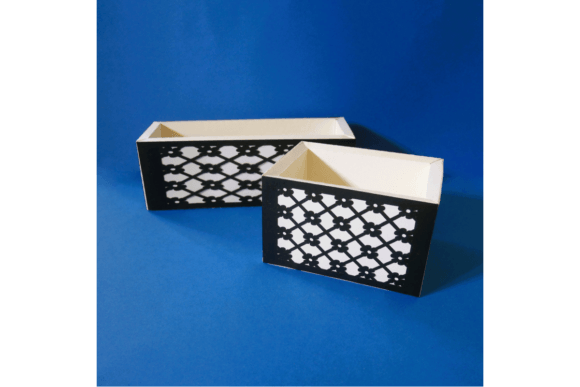
The concept behind these planter boxes is rooted in structural clarity and decorative precision. The template offers two distinct designs—one rectangular and one square—both featuring intricate lattice work. This design choice is not merely ornamental; it introduces ventilation and visual lightness, making the boxes suitable for live plants as well as dry storage. Understanding how to integrate these assets into your broader creative or organizational process requires a shift from viewing them as simple crafts to seeing them as modular components of a larger design system.
Preparation and Material Selection for Consistent Quality
Successful implementation of any physical asset begins with material compatibility. The quality of the final output is directly proportional to the suitability of the raw materials used. For the Elegant Lattice Planter Boxes, the structural integrity of the lattice pattern demands cardstock that balances flexibility with rigidity. Thin paper will fail to hold the box shape, while overly thick board may crack along the intricate cut lines.
Maison Gregoria specifies the use of Encore Cardstock 80 lb cover (216 gsm). This weight class is critical for maintaining the bold patterns and structural clarity described in the template features. When planning your production workflow, sourcing this specific type of cardstock ensures consistency across multiple units. If you are producing these boxes for a small business or as gifts, batch consistency is vital. Variations in paper thickness can lead to assembly difficulties and uneven finishes.
To streamline your procurement process, consider establishing a reliable supply chain for your chosen media. Click here to visit 12×12 Cardstock Shop. This is a paid link at no extra cost to you. By standardizing your material inputs, you reduce variable outcomes during the cutting and assembly phases, allowing you to focus on customization and deployment rather than troubleshooting material failures.
Digital Asset Integration and Cutting Precision
Before physical assembly begins, the digital phase of the workflow sets the stage for efficiency. The SVG template provided by Maison Gregoria is designed for compatibility with major cutting machines. Integrating this file into your digital workspace requires attention to detail regarding scale and cut settings.
For professionals using these designs in a commercial context, such as creating packaging for handmade soaps or succulents, precision is non-negotiable. The detailed lattice work requires sharp blades and appropriate pressure settings. A test cut on a scrap piece of your 80 lb cardstock is a recommended step in the quality control process. This minor investment of time prevents waste and ensures that the delicate connections in the lattice pattern remain intact during the weeding process.
Furthermore, the black and white color scheme mentioned in the template features offers a strategic advantage in workflow efficiency. By sticking to a monochromatic palette, you eliminate the need for complex color matching or multi-layer alignment. This simplicity allows for faster production cycles and easier replication. However, the design remains highly customizable. Users can experiment with different cardstock colors or textures to align with specific brand identities or seasonal decor themes, provided the structural properties of the paper remain consistent.
Assembly Techniques for Structural Integrity
Once the pieces are cut, the assembly phase transforms flat components into three-dimensional objects. The Elegant Lattice Planter Boxes are designed to be easy to assemble, but technique matters. The inclusion of a video tutorial and PDF instructions with the template serves as a crucial resource for minimizing errors. Following these guides ensures that tabs are folded correctly and adhesives are applied precisely.
For those integrating this process into a regular routine, developing a standardized assembly station can significantly boost efficiency. Organize your tools—bone folders, liquid adhesive, and clamps—within easy reach. The lattice design, while visually striking, creates numerous small contact points. Using a precise applicator for glue ensures clean bonds without excess seepage, which can mar the clean lines of the black and white aesthetic.
It is also important to consider the curing time of adhesives when planning your workflow. If you are producing multiple units, implement a batching system where you fold all pieces first, then apply adhesive, and finally allow them to set under weight or in clamps. This parallel processing approach reduces idle time and increases overall throughput.
Versatile Applications in Home and Business Contexts
The true value of the Elegant Lattice Planter Boxes lies in their versatility. They are not limited to a single function. In a home office setting, the rectangular box can serve as a desktop organizer for pens, notebooks, or tech accessories, adding a touch of elegance to a workspace. The square variant is ideal for showcasing small potted plants, bringing biophilic elements into indoor environments without the mess of soil exposure, if used with a nursery pot insert.
For entrepreneurs and marketers, these boxes offer a unique opportunity for branded packaging. The classic design appeals to a broad demographic, fitting both modern and traditional settings. Imagine using these boxes to package artisanal candles, jewelry, or curated gift sets. The lattice work allows for a glimpse of the product inside, creating anticipation and visual interest while maintaining protection. This transparency can enhance the unboxing experience, a critical touchpoint in customer satisfaction.
Educators and workshop leaders can also utilize these templates as teaching tools. The project combines geometry, design, and fine motor skills, making it suitable for adult crafting classes or team-building activities. The clear instructions and manageable complexity level ensure that participants can achieve a high-quality result, fostering a sense of accomplishment and creativity.
Long-Term Use and Maintenance Considerations
While cardstock is not as durable as wood or plastic, proper care can extend the life of these planter boxes. For indoor use, keeping them away from direct moisture sources is essential. If used for live plants, always use a waterproof liner or keep the plant in its original plastic pot within the box. This separation protects the structural integrity of the cardstock while allowing the decorative exterior to shine.
From a workflow perspective, consider the lifecycle of these items. Are they intended for permanent decor, seasonal rotation, or one-time event use? Understanding this helps in deciding how much time to invest in each unit. For permanent installations, reinforcing internal corners with additional adhesive or clear tape can add longevity. For seasonal decor, the ease of assembly allows for quick replacement and refreshment of styles.
The ability to customize these boxes also supports sustainable practices. Instead of discarding outdated decor, users can disassemble and recycle the cardstock, then create new designs as trends change. This modularity aligns with a mindset of efficient resource management and continuous improvement in personal and professional spaces.
Enhancing Visual Interest Through Strategic Placement
The bold patterns of the lattice design demand thoughtful placement. In interior design, contrast is key. Placing a black lattice box against a light wall or a white box on a dark shelf creates a focal point that draws the eye. For photographers and content creators, these boxes serve as excellent props. Their geometric patterns add texture and depth to flat lays and product shots, enhancing the overall composition without overpowering the subject.
When using these boxes for storage, visibility becomes an asset. The lattice structure allows users to quickly identify contents without opening the box, aiding in organization and retrieval efficiency. This feature is particularly useful in craft rooms, offices, or retail displays where quick access and visual appeal are both priorities.
Ultimately, the Elegant Lattice Planter Boxes are more than just a crafting project. They are a tool for enhancing environment, organizing space, and expressing style. By integrating them into your workflow with careful planning, material selection, and strategic application, you can achieve results that are both beautiful and functional. Whether you are a seasoned creator or a novice looking to add a touch of sophistication to your home, this template offers a reliable pathway to achieving professional-grade outcomes.