Mastering 3d Frog Cutting Board Sublimation for Professional Results
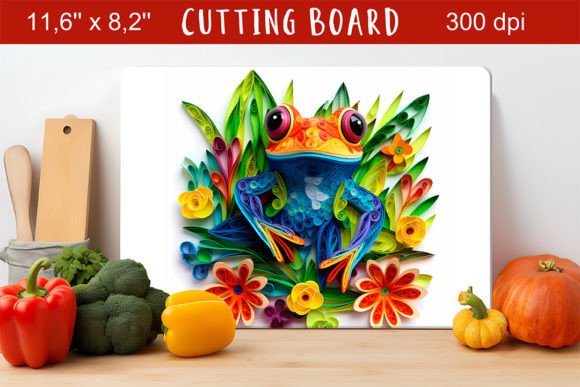
Creating unique kitchenware has never been more accessible, yet the difference between a amateurish finish and a professional-grade product often comes down to understanding the nuances of your source files. When you explore 3d Frog Cutting Board Sublimation, you are not just looking for a cute image; you are seeking a design that translates perfectly onto physical substrates. The charm of combining whimsical frogs with vibrant flowers offers a distinct aesthetic appeal, perfect for those who want to add personality to their home decor or expand their product lines. However, many creators overlook critical technical details that can make or break the final print.
This guide focuses on helping you avoid common pitfalls associated with digital design selection and application. By understanding what to look for in high-quality assets, you can save time, reduce material waste, and ensure your finished products meet the high standards your customers expect. Whether you are a seasoned entrepreneur or a hobbyist making gifts, the right approach to sublimation design is essential.
Understanding Resolution and Print Clarity
One of the most frequent mistakes beginners make is underestimating the importance of resolution. A design might look crisp on a computer screen but appear pixelated or blurry when transferred onto a cutting board. This happens because screens display images at 72 DPI (dots per inch), while sublimation printing requires a minimum of 300 DPI for sharp, professional results. If you attempt to stretch a low-resolution image to fit a large surface, the quality degrades significantly, resulting in a muddy or jagged appearance that detracts from the artistic value.
To avoid this, always verify the dimensions and DPI of your file before purchasing or downloading. For instance, a high-quality asset like the one offered by Olga Boat Design provides a PNG file at 3508x2480 pixels at 300 DPI. This specific resolution ensures that when printed at the intended size of 11.6 x 8.2 inches, every detail of the frog’s texture and the flower petals remains sharp. Using a file with these specifications eliminates the guesswork and guarantees that your 3d Frog Cutting Board Sublimation project will have the clarity needed for close-up inspection.
The Importance of Transparent Backgrounds
Another common oversight involves background handling. Many free or low-cost designs come with white or colored backgrounds baked into the image. While this might seem convenient, it limits your versatility. If you want to place the frog design on a colored cutting board or integrate it into a larger collage, a solid background creates an unsightly box around your subject. This restricts your creative freedom and can make the final product look less integrated and more like a sticker slapped on top.
A proper PNG file with a transparent background allows you to layer the design seamlessly. This is particularly important for sublimation, where the ink bonds with the polymer coating of the board. With transparency, you can adjust the placement precisely, ensuring the frog and flowers interact naturally with the shape of the board. Always check that the file you acquire is a true PNG with transparency enabled. This small detail significantly enhances the professional look of your work, allowing for cleaner edges and more sophisticated compositions.
Color Accuracy and Sublimation Limitations
Sublimation printing is renowned for its vibrant colors, but it also has limitations that designers must respect. A common misunderstanding is that what you see on your monitor is exactly what will print. In reality, monitors emit light, while prints reflect it. Colors often appear darker or slightly shifted after the heat press process. If your design relies on subtle gradients or very dark shades, these may lose definition or turn out muddier than expected.
To mitigate this, choose designs that use bold, contrasting colors. The combination of bright flowers and a detailed 3D-style frog works well because the high contrast helps maintain visual interest even if slight color shifting occurs. Additionally, always perform a test print on a spare piece of sublimation paper or a scrap board. This allows you to calibrate your printer’s color profile and adjust brightness or saturation settings before committing to your final product. By anticipating these shifts, you can tweak the digital file to compensate, ensuring the final output matches your vision.
Versatility Beyond Cutting Boards
While the primary focus may be on cutting boards, limiting a design to a single use case is a missed opportunity. High-resolution, transparent PNGs are incredibly versatile. The same 3d Frog Cutting Board Sublimation file can be scaled down for coasters, enlarged for wall art, or used for postcards and greeting cards. Many creators fail to realize that investing in a high-quality master file pays dividends across multiple product lines.
For example, the floral and frog motif appeals to nature lovers and those who appreciate whimsical decor. By using the same asset for different products, you create a cohesive brand identity. You can offer matching sets, such as a cutting board paired with a set of coasters featuring the same design elements. This not only increases the perceived value for the customer but also maximizes the return on investment for the designer. Always consider how a design can be repurposed before finalizing your purchase or creation process.
Checking File Compatibility and Usage Rights
Before integrating any design into your workflow, it is crucial to understand the licensing terms. Some files are for personal use only, while others allow for commercial applications. Using a personally licensed file for products you sell can lead to legal issues and damage your reputation. Always read the terms of service provided by the designer, such as Olga Boat Design, to ensure you are compliant.
Additionally, verify that the file format is compatible with your design software. PNG is widely supported, but ensure your editing program handles layers and transparency correctly. If you are using specialized sublimation software, check if it requires any specific color profiles or file preparations. Taking these preliminary steps prevents last-minute frustrations and ensures a smooth production process.
Practical Steps for Success
To summarize, achieving excellent results with sublimation requires attention to detail. Here are key actions to take:
- Verify Resolution: Ensure your file is at least 300 DPI at the intended print size.
- Check Transparency: Use PNG files with transparent backgrounds for maximum flexibility.
- Test Colors: Perform test prints to account for color shifting during the heat press process.
- Read Licenses: Confirm that you have the right to use the design for your intended purpose, whether personal or commercial.
- Plan for Versatility: Consider how the design can be adapted for other products like wall art or postcards.
By focusing on these practical aspects, you elevate the quality of your creations. The 3d Frog Cutting Board Sublimation design, with its charming blend of nature and whimsy, offers a fantastic canvas for creativity. When paired with the right technical preparation, it becomes a standout product that delights customers and enhances your portfolio. Remember, the goal is not just to print an image, but to create a lasting, high-quality item that reflects care and professionalism. Thank you for shopping in my store, Olga Boat Design, and happy creating.