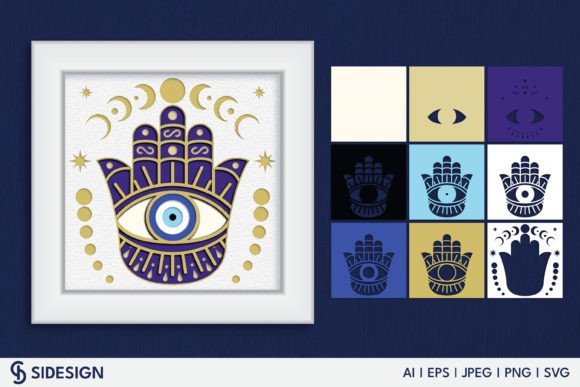
Mastering the Evil Eye 3D Shadow Box for Precision Cutting
In the evolving landscape of digital crafting and personalized home decor, the intersection of traditional symbolism and modern fabrication technology offers unique opportunities for creators. The Evil Eye 3D Shadow Box design represents a compelling case study in this domain. It is not merely a decorative asset but a functional template engineered specifically for compatibility with leading craft cutting machines such as Silhouette, Cricut, and other computer-controlled cutters. For professionals and serious hobbyists alike, understanding the technical nuances of this design is essential for maximizing output quality and workflow efficiency.
The concept of the evil eye, a protective amulet found in cultures across the Mediterranean and Middle East, has seen a resurgence in contemporary interior design. However, translating this two-dimensional symbol into a tangible, three-dimensional object requires more than a simple image file. It demands a layered approach that accounts for depth, shadow, and structural integrity. This is where the specific utility of a dedicated 3D shadow box file becomes apparent. By providing pre-calculated layers, these designs eliminate the guesswork involved in creating depth manually, allowing creators to focus on material selection and assembly rather than complex vector manipulation.
Technical Composition and File Versatility
A primary strength of the Evil Eye 3D Shadow Box package lies in its comprehensive file format support. Serious crafters understand that no single file type serves every purpose. The inclusion of SVG, AI, EPS, JPEG, and PNG formats ensures that the design is accessible regardless of the software ecosystem or hardware capabilities at hand.
- SVG (Scalable Vector Graphics): This is the cornerstone for users of Silhouette Studio and Cricut Design Space. SVGs maintain crisp edges at any scale, which is critical for intricate cut lines. They allow for easy separation of layers, enabling the user to assign different materials or colors to each depth level of the shadow box.
- AI and EPS: These formats are indispensable for professional designers using Adobe Illustrator or CorelDRAW. They offer greater control over node editing, path simplification, and print-ready preparation. For entrepreneurs who may need to modify the design for branding purposes or integrate it into larger composite artworks, these vector files provide the necessary flexibility.
- JPEG and PNG: While not suitable for cutting, these raster images serve vital roles in marketing and previewing. High-resolution PNGs with transparent backgrounds are ideal for creating mockups for e-commerce listings, social media promotions, or client presentations before any physical material is wasted.
This multi-format approach demonstrates a clear understanding of the diverse workflows present in the crafting community. Whether you are a freelancer delivering print-ready files to a client or a small business owner producing physical goods for an online store, having access to both vector and raster assets streamlines the production pipeline significantly.
Practical Application and Material Considerations
The term "3D" in this context refers to the optical illusion of depth created through layering. When executing an Evil Eye 3D Shadow Box, the physical result depends heavily on the materials chosen and the precision of the cutting machine. Cardstock remains the most common medium due to its rigidity and ease of cutting. However, the design’s effectiveness can be enhanced by experimenting with textured papers, vellum for diffused lighting effects, or even thin acrylic sheets if using a laser cutter.
For those using blade-based cutters like the Cricut Maker or Silhouette Cameo, the complexity of the design requires careful attention to blade depth and pressure settings. The intricate curves of the eye motif, combined with the geometric precision required for the box frame, demand a sharp fine-point blade. Users should anticipate longer cutting times compared to simple shapes, as the machine must navigate numerous internal cut lines to create the separate layers that form the shadow effect.
Assembly is another critical phase. The design typically includes registration marks or alignment guides, but success relies on the creator’s patience. Using acid-free adhesive squares or double-sided tape is recommended over liquid glues, which can warp paper and distort the precise alignment needed for the 3D effect. The spacing between layers—often determined by foam tape thickness—dictates the intensity of the shadow. A standard 1mm to 3mm spacer usually provides sufficient depth without making the piece overly bulky for wall mounting.
Evaluating Usability and Workflow Integration
From a usability standpoint, the Evil Eye 3D Shadow Box is designed to reduce friction in the creative process. For educators teaching digital fabrication, this project offers an excellent curriculum tool. It introduces students to concepts of layering, vector hierarchy, and material properties in a visually engaging way. The symbolic nature of the design also opens doors for discussions on cultural art history, adding an educational dimension beyond technical skills.
For marketers and content creators, the visual appeal of a completed shadow box is high. It photographs well, offering distinct shadows and highlights that look professional in digital portfolios. This makes it a valuable asset for bloggers looking to create tutorial content or for Etsy sellers aiming to differentiate their product listings. The ability to customize colors allows for seasonal variations or brand-specific color palettes, enhancing its commercial viability.
However, it is important to acknowledge limitations. The design assumes a certain level of proficiency with cutting software. Beginners may find the initial setup of layers daunting if they are unfamiliar with grouping and ungrouping functions in their respective software. Additionally, while the files are optimized for cutting, they are not universally compatible with every proprietary software version without minor adjustments. Users should always check for stray nodes or open paths in vector files before sending them to the cutter to prevent material waste.
Long-Term Value and Audience Fit
Who benefits most from this specific design? The primary audience includes small business owners in the home decor niche, freelance graphic designers expanding into physical products, and dedicated hobbyists seeking challenging projects. The value proposition is not just in the single use of the file, but in its reusability. Once the technique is mastered, the same structural logic can be applied to other symbols or custom text, making this a learning investment as much as a product purchase.
The reliability of the file structure ensures consistency across multiple productions. For those fulfilling orders, knowing that the cut lines are accurate and the layers align correctly reduces the risk of defective units. This consistency is crucial for maintaining customer satisfaction and minimizing material costs associated with errors.
In conclusion, the Evil Eye 3D Shadow Box is a robust resource for anyone operating at the intersection of digital design and physical craft. Its strength lies in its technical preparedness, offering the right tools in the right formats to facilitate a smooth transition from screen to shelf. By understanding the material requirements and assembly techniques, creators can leverage this design to produce high-quality, meaningful decor that resonates with modern aesthetic trends while honoring traditional symbolism. It stands as a practical example of how well-structured digital assets can empower creators to produce professional-grade results with accessible technology.