Ecuadorian Rose: Crafting Timeless Beauty with 3D Paper Art
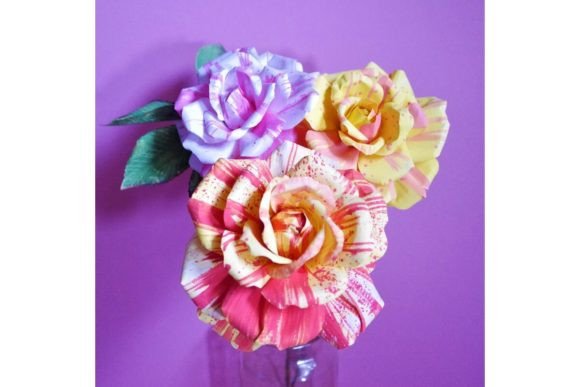
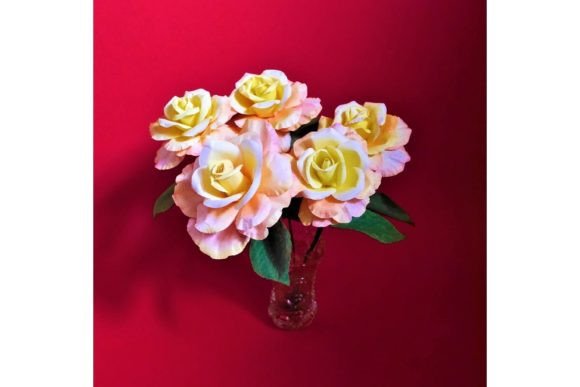
There is a distinct difference between a standard paper flower and one that captures the soul of its botanical inspiration. The Ecuadorian Rose is renowned globally for its exceptional size, vibrant color saturation, and velvety texture. When you attempt to replicate this natural wonder through craft, you are not just cutting shapes; you are engineering an experience. Embrace the allure of this Ecuadorian Rose with this wonderful 3D SVG paper flower craft by Maison Gregoria. This project is designed specifically for those who appreciate the unique charm and lush aesthetics that make this rose a standout in any floral arrangement.
For many creators, the jump from digital design to physical art can feel daunting. However, the right tools bridge that gap effortlessly. This crafting project offers a seamless transition from your screen to your workspace, providing a template that perfectly captures the lush, full petals and rich nuances of the real flower. Whether you are a seasoned papercraft artist or a beginner looking for a rewarding weekend project, understanding how to leverage this specific design can elevate your creative output significantly.
Why the Ecuadorian Rose Stands Out in Paper Craft
The Ecuadorian Rose is not just another variety; it is the gold standard in the floral industry, grown in the high-altitude volcanic soils of the Andes. This environment gives the blooms their characteristic large heads and intense pigmentation. Translating these qualities into paper requires more than a basic petal shape. It demands a design that understands layering, depth, and curvature.
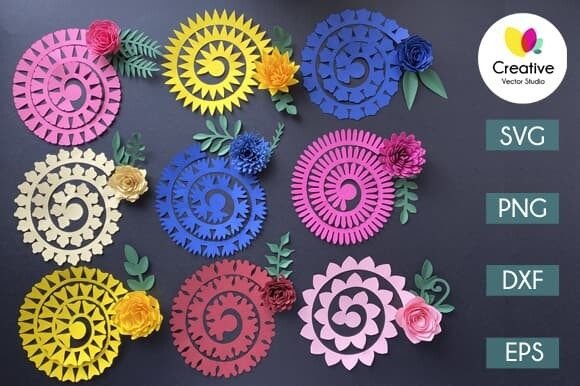
When you work with this SVG file, you are working with a blueprint that respects these botanical realities. The template includes multiple layers that, when assembled, create a three-dimensional effect that mimics the organic unfurling of a real rose. This attention to detail is crucial because flat paper flowers often lack the visual weight needed for impactful decor. By using a design rooted in the specific anatomy of the Ecuadorian Rose, you ensure that your final piece has presence and elegance.
Real-World Applications for Your 3D Paper Flowers
One of the most common questions creators ask is, "What do I do with this?" The versatility of a high-quality paper rose extends far beyond simple home decoration. Here are several realistic scenarios where this craft adds value:
- Wedding and Event Decor: Real flowers are expensive and perishable. A backdrop made of oversized Ecuadorian Rose paper flowers provides a stunning, photogenic element that lasts indefinitely. Couples can use them for aisle markers, cake table accents, or even bridal bouquets that serve as keepsakes.
- Retail Visual Merchandising: Small business owners and boutique managers can use these durable blooms to create seasonal window displays. Unlike fresh flora, paper flowers do not wilt under hot store lights, ensuring your display looks pristine from opening day until the season ends.
- Educational Workshops: Educators and community center leaders can use this project to teach geometry, patience, and fine motor skills. The process of assembling the layers offers a tangible lesson in structure and design, making it an excellent activity for teen groups or adult education classes.
- Content Creation and Photography: Bloggers and influencers often need props that pop on camera. The rich hues of the Ecuadorian Rose provide excellent contrast against neutral backgrounds, making them ideal for flat lays, product photography backdrops, or video thumbnails.
Choosing the Right Materials for Professional Results
The design is only half the equation; the material you choose determines the structural integrity and aesthetic finish of your flower. While lightweight paper might seem easier to cut, it often fails to hold the curl and shape required for a realistic look. For this project, the recommendation is clear: use sturdy cardstock that can support its own weight.
All cardstock featured in the tutorial examples is Encore Cardstock 80 lb cover 216 gsm. This specific weight is the sweet spot for 3D paper flowers. It is thick enough to hold the intricate curves of the petals without sagging, yet thin enough to be cut cleanly by most consumer-grade machines. If you are looking to replicate the professional look seen in the preview images, investing in quality paper is non-negotiable.
Click here to visit 12×12 Cardstock Shop. This is a paid link at no extra cost to you. Supporting suppliers who specialize in craft-grade materials ensures you have access to consistent colors and textures, which is vital when creating multi-layered pieces where uniformity matters.
Navigating the Digital Workflow
For those new to digital crafting, the terminology can sometimes be a barrier. This design is delivered in SVG format, which stands for Scalable Vector Graphics. Unlike pixel-based images like JPEGs, SVGs use mathematical paths to define shapes. This means you can resize the flower to be two inches or two feet wide without losing any resolution or clarity.
These files are designed to use in Cricut Design Space and other cutting software that uses these file types, such as Silhouette Studio. The workflow is straightforward: upload the SVG, place it on your virtual mat, and send it to your cutter. The design comes pre-separated into layers, saving you the tedious task of manually sorting pieces. This efficiency allows you to focus on the assembly and shaping process, which is where the true artistry happens.
Learning Through Guided Instruction
Even with a perfect template, technique matters. How tightly you roll the center, how much you curl the edges, and the order in which you glue the layers can drastically change the final appearance. To remove the guesswork, this package includes a link to a video tutorial and written instructions.
The video tutorial is particularly valuable for visual learners. It demonstrates the subtle hand movements required to give the petals a natural, organic curve. Watching an expert manipulate the paper helps you avoid common pitfalls, such as using too much glue (which can warp the paper) or crushing the delicate edges during assembly. These resources transform the project from a potentially frustrating experiment into a guided, enjoyable experience.
Considerations Before You Start
Before downloading and starting your project, consider your end goal. Are you making a single statement piece or a hundred small accents? If you are producing in bulk, factor in the drying time for adhesives and the space needed for shaping. Additionally, think about color theory. The Ecuadorian Rose is famous for its deep reds, but this design works beautifully in blush pinks, creamy whites, or even bold, non-traditional colors like navy or black for modern interiors.
Also, assess your toolset. While a cutting machine is recommended for precision, especially with the intricate inner petal details, experienced crafters can adapt the SVG templates for hand-cutting if they have sharp scissors and patience. However, for consistency and speed, a digital cutter remains the best investment for this type of work.
Ultimately, creating an Ecuadorian Rose from paper is an act of preservation. It captures a fleeting moment of natural beauty and makes it permanent. Whether you are decorating a home, enhancing a brand, or simply enjoying the meditative process of creation, this project offers a satisfying blend of technical challenge and artistic reward. By combining the right digital assets with quality materials and guided instruction, you can produce work that rivals the real thing.