The Art of the Hybrid Tea Rose: Elevating Decor with 3D Paper Craftsmanship
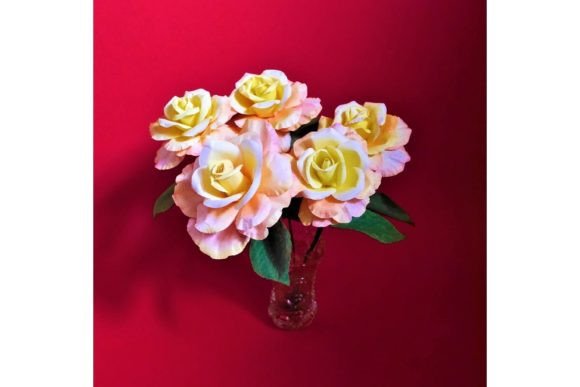
In the vast world of botanical design, few flowers command as much respect and admiration as the Hybrid Tea Rose. Renowned for its classic high-centered bloom and elegant, swirling layers of petals, this variety has long been a symbol of refined beauty in gardens and floral arrangements worldwide. Translating this natural elegance into the realm of paper crafts offers a unique opportunity for creators to capture timeless sophistication without the fleeting nature of fresh cut flowers. By utilizing advanced digital templates, such as the masterfully crafted 3D SVG paper flower craft from Maison Gregoria, hobbyists and professional designers alike can infuse their spaces with the intricate detailing that defines this iconic rose.
This approach to decor is not merely about replication; it is about interpretation through material. The transition from organic growth to structured cardstock requires an understanding of form, shadow, and layering. When executed correctly, a paper Hybrid Tea Rose becomes a sophisticated statement piece, offering durability and aesthetic consistency that living plants cannot always guarantee. This guide explores the nuances of creating these botanical sculptures, focusing on the technical aspects, material choices, and creative applications that make this craft both accessible and deeply rewarding.
Understanding the Structural Elegance of the Hybrid Tea Rose
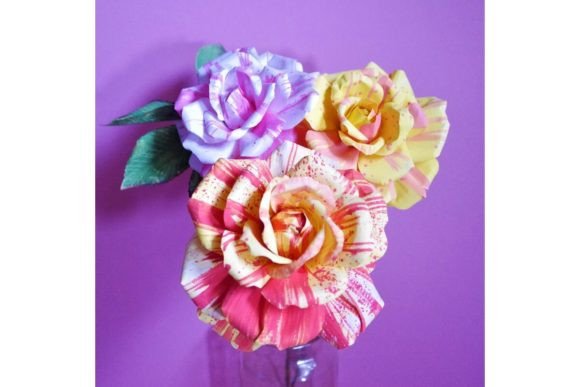
To successfully recreate a Hybrid Tea Rose in paper, one must first appreciate what makes the living flower distinct. Unlike garden roses with their loose, cabbage-like heads, the Hybrid Tea is characterized by a tight, high-centered bud that opens gradually to reveal perfectly formed, pointed petals. This structure presents specific challenges and opportunities for paper crafters. The template provided by Maison Gregoria is designed specifically to capture these defining traits, ensuring that the final product retains the recognizable silhouette of the real flower.
The swirling layers of petals are critical to achieving realism. In nature, these layers protect the inner bud and create depth. In paper crafting, this depth is achieved through strategic layering of cut shapes. Each petal must be shaped and positioned to mimic the natural curl and overlap found in the garden variety. This attention to detail transforms flat cardstock into a three-dimensional object that interacts with light and shadow, adding visual interest to any room. For educators and researchers studying botanical forms, this process also serves as an excellent exercise in observing and deconstructing natural geometry.
Material Selection: The Foundation of Quality Crafts
The choice of material is paramount in paper flower making. While standard printer paper may suffice for simple projects, it lacks the rigidity and texture required to hold the complex shapes of a Hybrid Tea Rose. The recommended material for this project is Encore Cardstock 80 lb cover (216 gsm). This weight provides the perfect balance between flexibility for shaping and sturdiness for structural integrity. Thinner papers may wilt or lose their form over time, while heavier boards can be difficult to curl and layer without cracking.
Using high-quality cardstock ensures that the delicate edges of the petals remain crisp and that the overall flower maintains its shape indefinitely. The texture of the cardstock also plays a role in the final appearance, mimicking the subtle matte finish of real rose petals. For those looking to source these materials, visiting a specialized supplier like the 12×12 Cardstock Shop can provide access to premium options. It is important to note that while this is a paid link, it comes at no extra cost to you, supporting the creation of high-quality resources for the crafting community.
Digital Precision: Leveraging SVG Templates
Modern crafting has been revolutionized by digital cutting machines, which allow for unprecedented precision and repeatability. The template for this Hybrid Tea Rose project is delivered in SVG format, a vector file type that scales infinitely without losing quality. This format is compatible with Cricut Design Space and other popular cutting software, making it accessible to a wide range of users regardless of their preferred hardware.
SVG files offer several advantages over traditional raster images. They contain precise path data that tells the cutting machine exactly where to slice, ensuring clean edges and accurate shapes. This precision is crucial for the small, intricate pieces that make up the center of the rose. Additionally, digital templates allow for easy customization. Creators can resize the entire flower or individual components to fit specific design needs, whether creating a massive wall installation or delicate table centerpieces.
Workflow Integration for Digital Crafters
Integrating this template into your workflow is straightforward. After downloading the SVG file, import it into your chosen design software. Most programs will automatically recognize the layers, allowing you to assign different colors to each petal tier if desired. This step is particularly useful for planning color gradients or multi-tonal effects that enhance the realism of the flower. Once the design is set, send it to your cutting machine, ensuring that the blade depth and pressure are adjusted for the 80 lb cardstock.
For those new to digital cutting, the inclusion of a video tutorial with this template is invaluable. Visual guidance helps clarify the assembly process, demonstrating techniques for curling petals and adhering layers securely. These instructions bridge the gap between digital design and physical creation, ensuring that even beginners can achieve professional-looking results. The combination of clear instructions and high-quality digital files reduces frustration and increases the likelihood of a successful first attempt.
Creative Applications and Decor Strategies
The versatility of the paper Hybrid Tea Rose allows it to be used in a myriad of decorative contexts. Its refined aesthetic makes it suitable for both formal and casual settings. Here are several ways to incorporate these creations into your environment:
- Wall Art Installations: Create a stunning focal point by arranging multiple roses in varying sizes and shades on a canvas or directly on the wall. This technique adds texture and depth to blank spaces, serving as an alternative to traditional paintings or prints.
- Event Decor: For weddings, anniversaries, or corporate events, paper roses offer a durable and allergen-free option for bouquets, centerpieces, and backdrop decorations. They can be prepared weeks in advance, reducing last-minute stress.
- Gift Embellishments: Attach a single, meticulously crafted rose to gift boxes or cards to add a personal, handmade touch. This small detail can elevate a simple present into a cherished keepsake.
- Educational Displays: Teachers and museum curators can use these models to illustrate plant anatomy or discuss the history of rose cultivation. The durability of paper makes these models ideal for handling and repeated display.
Considerations for Long-Term Preservation
While paper flowers are more durable than their fresh counterparts, they still require care to maintain their appearance over time. Dust accumulation can dull the vibrant colors and obscure the intricate details of the petals. Regular, gentle dusting with a soft brush or compressed air can keep the flowers looking pristine. Additionally, exposure to direct sunlight should be minimized, as UV rays can cause fading in some cardstock varieties.
Storage is another consideration for those who create these flowers in bulk. Keeping them in acid-free boxes with tissue paper separation prevents crushing and discoloration. By treating these paper creations with the same care as fine art, creators can ensure that their Hybrid Tea Roses remain beautiful for years to come. This longevity is one of the key advantages of paper crafting, offering a sustainable alternative to cut flowers that need frequent replacement.
Conclusion: A Blend of Tradition and Technology
The creation of a 3D paper Hybrid Tea Rose represents a harmonious blend of traditional artistic sensibilities and modern technological tools. By leveraging precise SVG templates and high-quality materials like Encore Cardstock, creators can produce works of art that capture the essence of nature’s most beloved bloom. Whether you are a seasoned crafter looking to expand your portfolio or a beginner eager to explore the joys of paper sculpting, this project offers a rewarding pathway to mastering the art of botanical paper crafts. The result is not just a decoration, but a testament to the enduring appeal of the Hybrid Tea Rose, reimagined through the lens of contemporary creativity.