Elevating Digital Craftsmanship with Picture Frame 3D SVG Designs
In the rapidly evolving landscape of digital fabrication and creative design, the demand for assets that bridge the gap between two-dimensional screens and three-dimensional physical objects has never been higher. Among the most versatile tools in this space is the Picture Frame 3D SVG. This file format represents more than just a static image; it is a blueprint for depth, texture, and structural integrity. For creators, entrepreneurs, and hobbyists alike, understanding how to leverage these files can transform a simple crafting session into a professional-grade production.
The shift toward layered, dimensional art is not merely an aesthetic choice but a response to changing consumer expectations. Modern audiences, whether they are purchasing custom home decor or personalized gifts, increasingly value tactile experiences. A flat print often fails to capture attention in the same way a multi-layered shadow box or a textured cake topper does. By utilizing high-quality 3D SVG collections, designers can meet this demand efficiently, ensuring that their output stands out in a saturated market.
The Evolution of Layered Design in Modern Workflows
Historically, creating three-dimensional paper crafts or vinyl decals required significant manual effort. Designers had to manually separate layers, calculate spacing, and ensure that each component aligned perfectly. This process was time-consuming and prone to human error. The introduction of pre-engineered 3D SVG files has streamlined this workflow dramatically. These files come with layers already organized, colored, and labeled, allowing users to focus on execution rather than preparation.
This evolution aligns with broader trends in digital creativity where efficiency and precision are paramount. Professionals who run small businesses from home, such as Etsy sellers or local boutique owners, rely on speed without sacrificing quality. A well-structured Picture Frame 3D SVG allows them to produce complex designs in minutes rather than hours. This efficiency is crucial for scaling operations, especially during peak seasons like holidays or wedding seasons when order volumes spike.
Moreover, the accessibility of these files has democratized high-end design. You no longer need advanced graphic design skills to create stunning dimensional art. With the right software and a compatible cutting machine, anyone can produce gallery-worthy pieces. This inclusivity has expanded the creator economy, enabling educators, parents, and casual hobbyists to engage in sophisticated crafting projects that were previously reserved for professionals.
Compatibility and Ease of Use Across Platforms
One of the most critical aspects of adopting any digital asset is its compatibility with existing tools. The beauty of the modern 3D SVG collection lies in its universal adaptability. Most notably, these files are optimized for popular cutting software such as Silhouette Studio and Cricut Design Space. These platforms have become the industry standard for home crafters and small businesses due to their user-friendly interfaces and robust feature sets.
When you download a 3D SVG collection, it typically arrives in a zipped folder. This compression method ensures that all necessary files remain organized and protected during transfer. Upon extraction, users will find individual SVG files ready for import. The ease of cutting these designs cannot be overstated. Because the vectors are clean and the layers are distinct, the software interprets them accurately, reducing the risk of cut errors or misalignment.
However, it is essential to note that while Silhouette and Cricut machines are the primary targets, the utility of these files extends beyond them. If you are using another type of machine, such as a laser cutter or a different brand of electronic die-cutter, you must ensure that your device supports SVG imports. Most modern cutting machines do, but verifying compatibility beforehand saves time and material waste. Always check your machine’s specifications regarding file types and layer handling to ensure a smooth experience.
Practical Applications Beyond Traditional Framing
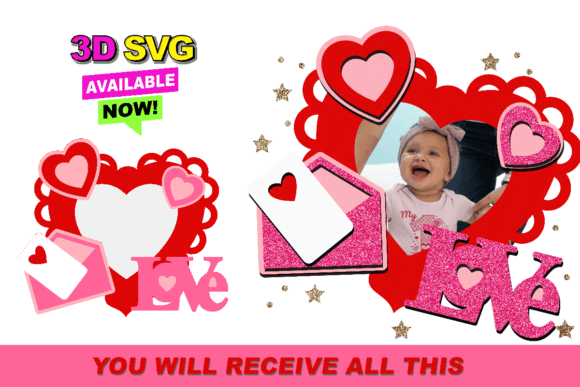
While the name suggests a specific use case, the versatility of a Picture Frame 3D SVG extends far beyond traditional wall art. The layered nature of these files makes them ideal for a wide array of creative projects. Understanding these applications can help creators maximize their return on investment and explore new revenue streams.
- Cake Toppers: One of the most popular uses for 3D SVGs is in the creation of intricate cake toppers. The layered effect adds elegance and height to celebration cakes, making them focal points at weddings, birthdays, and anniversaries. Cardstock or acrylic can be used depending on the desired durability and aesthetic.
- Apparel and Textiles: By simplifying the layers, these designs can be adapted for heat-transfer vinyl (HTV) applications. Print shirts featuring dimensional-looking graphics can be achieved by layering different colors of vinyl, creating a striking visual impact without the bulk of actual 3D materials.
- Stickers and Decals: Vinyl stickers benefit immensely from 3D designs. The depth created by overlapping layers gives stickers a premium look, perfect for branding, laptop decorations, or water bottle labels. This is particularly effective for small businesses looking to enhance their packaging.
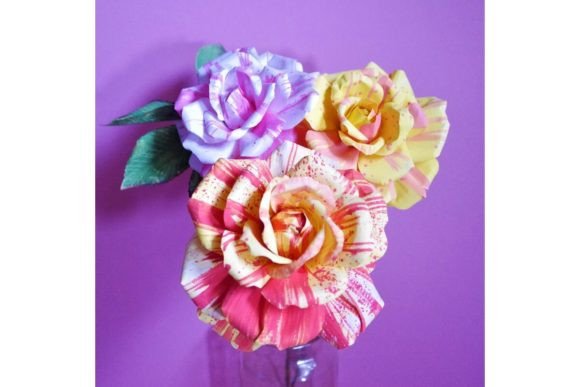
- Celebrations and Event Decor: From backdrop elements to table centerpieces, 3D SVGs can be scaled up to create large-format decorations. Paper flowers, geometric shapes, and framed quotes can transform ordinary venues into immersive environments.
Each of these applications requires a slightly different approach to material selection and assembly. For instance, cake toppers require food-safe materials or protective barriers, while apparel demands flexible vinyl that can withstand washing. Understanding these nuances is key to producing high-quality end products.
Navigating the Technical Details for Best Results
To get the most out of your Picture Frame 3D SVG collection, attention to detail during the setup phase is crucial. Start by unzipping the folder and organizing the files on your computer. Naming conventions can help keep track of different designs, especially if you are working on multiple projects simultaneously.
When importing into your design software, take a moment to inspect the layers. Ensure that each layer is assigned the correct color code if your machine uses color-to-tool mapping. This step prevents the machine from cutting all layers with the same blade setting, which could lead to incomplete cuts or damaged materials. For deeper cuts, such as those needed for thick cardstock in shadow boxes, adjust the pressure and blade depth settings accordingly.
Another important consideration is the weeding process. Complex 3D designs often have small, intricate details that can be challenging to remove from the backing material. Using high-quality materials with good adhesive properties can simplify this step. Additionally, having the right tools, such as fine-tip tweezers and weeding hooks, can make the assembly process smoother and more enjoyable.
Future-Proofing Your Creative Toolkit
As technology continues to advance, the line between digital design and physical creation will blur further. Investing in high-quality 3D SVG assets is a forward-looking strategy. These files are not just for today’s trends; they are foundational elements that can be adapted to future technologies. Whether it is integrating with augmented reality previews or utilizing new smart materials, the underlying vector data remains relevant.
For professionals, building a library of versatile 3D SVGs provides a competitive edge. It allows for rapid prototyping and customization, which are highly valued in today’s fast-paced market. Clients appreciate the ability to see a tangible, high-quality product quickly, and having a repository of ready-to-use designs facilitates this speed.
Furthermore, the community aspect of digital crafting cannot be ignored. Sharing tips, modifications, and finished projects online fosters a sense of connection and continuous learning. Engaging with other creators can lead to new ideas and techniques, enhancing your skills and expanding your creative horizons.
In conclusion, the Picture Frame 3D SVG is more than a file; it is a gateway to enhanced creativity and efficiency. By understanding its capabilities, ensuring compatibility with your tools, and exploring diverse applications, you can unlock new possibilities in your crafting journey. Whether you are creating memorable cake toppers, stylish shirts, or elegant home decor, these designs offer the precision and flexibility needed to succeed in the modern maker economy.